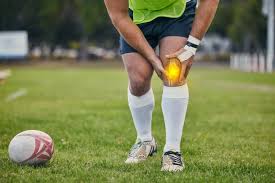
What does an injury assessment involve?
We carry out comprehensive evaluations to understand how your body moves, where it may be limited, and how injuries or physical imbalances could be affecting performance. These assessments are designed to support rehabilitation, enhance movement, and prevent further injury, rather than provide a medical diagnosis.
During an assessment we:
-
Observe Movement Patterns: Careful observation of walking, running, lifting, or sport-specific activities helps identify compensations, postural imbalances, or inefficient movement patterns that could contribute to injury or limit performance.
-
Assess Muscle Function and Joint Mobility: Testing strength, flexibility, stability, and coordination in key muscle groups and joints highlights areas of weakness, tightness, or reduced range of motion that may require targeted rehabilitation.
-
Identify Risk Factors: By analyzing posture, alignment, and movement habits, sports therapists can pinpoint potential areas at risk of strain or overuse, allowing interventions to prevent future injuries.
-
Palpation and Functional Testing: Hands-on assessment of muscles, tendons, and joints provides insight into muscle tension, trigger points, and functional limitations, helping the therapist design effective programs.
-
Provide Individualized Guidance and Planning: Based on the findings, sports therapists develop personalized rehabilitation or performance plans. These may include exercise therapy, manual therapy, taping, electrotherapy, or advice on training adjustments to improve strength, flexibility, and movement efficiency.
-
Monitor and Adapt Progress: Sports therapists track progress over time, adjusting the program to meet recovery goals, improve function, and prevent re-injury.
Book now